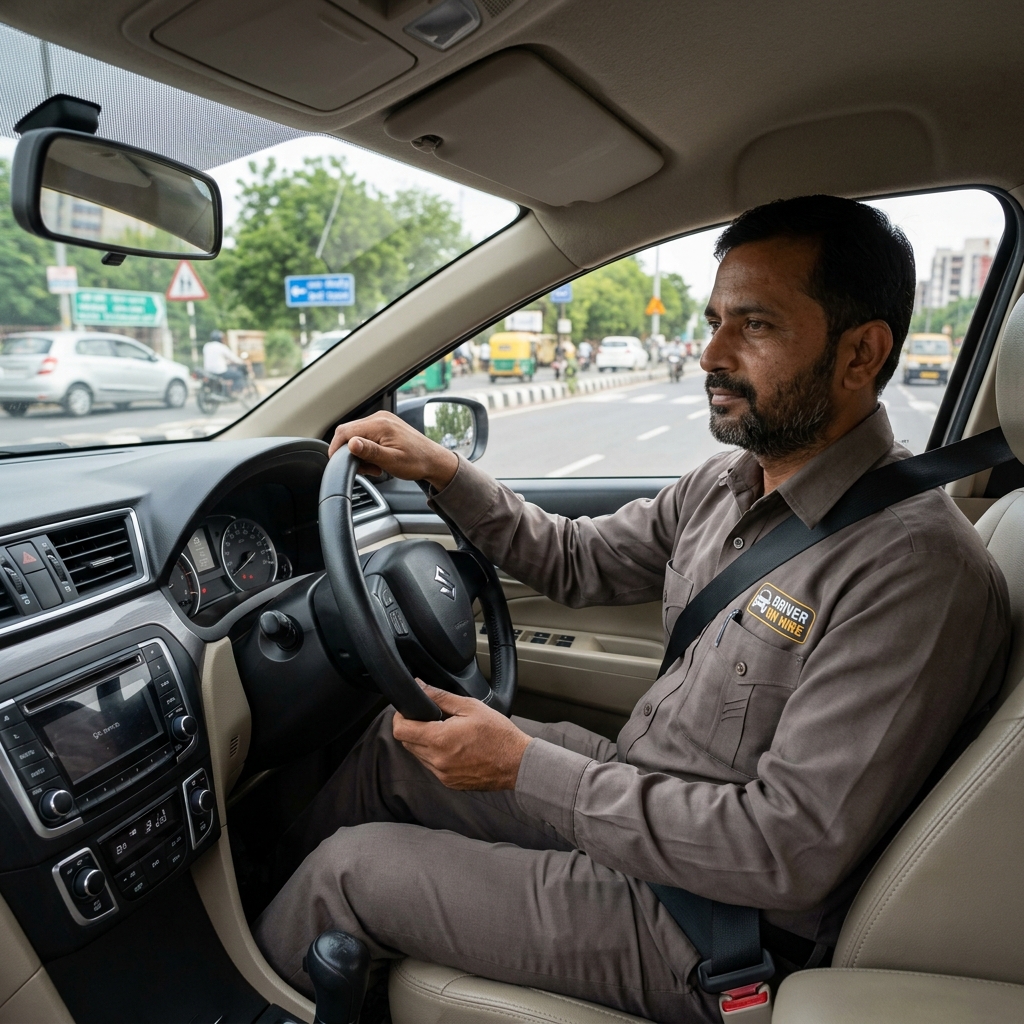
Why Safe Driving Matters More Than You Think
Driving your own car gives you a sense of freedom. You control the route, the music, and the pace. However, Indian roads are often unpredictable. Between sudden traffic jams, careless pedestrians, and long hours behind the wheel, a smooth trip can quickly become a stressful situation.
Safe driving is not just about following the law; it is about staying alert, responsible, and prepared for the unexpected. Whether you are on a daily commute or a weekend getaway, these small habits can make a huge difference in your safety and the safety of others.
12 Basic Driving Rules You Should Never Ignore
1. Never Drink and Drive
This is the most important rule on the road. Even a small amount of alcohol slows down your reaction time and affects your judgement. You may feel "fine," but your control over the vehicle reduces instantly. If your plans involve drinks, it is always better to arrange a safer option rather than taking a risk.
2. Don’t Use Your Phone While Driving
Checking a message or taking a quick call might feel harmless, but it takes your eyes off the road. Even a 2-second distraction can lead to serious accidents. If something is urgent, it is always better to stop the car safely before using your phone.
3. Always Wear a Seatbelt
Seatbelts are not just for highways; they are equally important in slow-moving city traffic. In case of sudden braking, a seatbelt can prevent major injuries. Make sure all passengers wear them, not just the driver.
4. Follow Speed Limits
Speeding might save a few minutes, but it drastically increases the chances of losing control. Roads can change quickly—potholes, speed breakers, or sudden traffic are common. Driving at a controlled speed gives you enough time to react.
5. Maintain a Safe Distance
Driving too close to the vehicle in front of you is risky. If the car ahead brakes suddenly, you need space to stop safely. Keeping a "buffer zone" reduces stress and prevents rear-end collisions.
6. Avoid Driving When Tired
Long drives can be exhausting. When you feel sleepy, your focus drops without you even realising it. This is a leading cause of highway accidents. If you feel tired, take a break, stretch, or switch drivers.
7. Use Indicators Properly
Indicators are your way of communicating with other drivers. Always signal well before turning or changing lanes so that the people behind you have time to react.
8. Check Your Vehicle Before Leaving
A quick two-minute check can prevent hours of trouble later. Before you start your trip, ensure that your tyres, brakes, fuel levels, and lights are in good working condition.
9. Avoid Aggressive Driving
Sudden lane changes and unnecessary honking only increase the risk of an accident. Staying calm keeps you in control and makes the journey smoother for everyone on the road.
10. Be Extra Careful at Night
Driving at night reduces visibility and increases strain on your eyes. High beams from oncoming cars can also be very distracting. Drive slower and stay extra focused during late hours.
11. Watch for Blind Spots
Every car has areas that mirrors cannot fully see. Before you change lanes, always take a quick look over your shoulder to ensure no biker or car is hidden in your spot.
12. Respect Traffic Signals and Signs
Signals and signs are there to keep traffic moving smoothly. Ignoring a red light might save a minute, but it puts everyone at risk. Following the rules ensures a predictable and safe environment for all.
A Smarter Way to Travel
Sometimes, driving yourself is not the most relaxed option—especially during heavy traffic, long intercity trips, or late-night events. This is why many people now prefer options like a driver on hire Mumbai service or a car hire with driver. Choosing a private chauffeur service allows everyone in the car to sit back and enjoy the journey without the mental tax of navigating the road.
Final Thoughts
Driving is not just about reaching your destination; it’s about how safely and calmly you get there. These simple rules may feel basic, but they are powerful enough to prevent major problems. Next time you take the wheel, remember—a safe trip is always a better trip.